

Smartech LLC Extends Low-Voltage Installation Services to Indianapolis
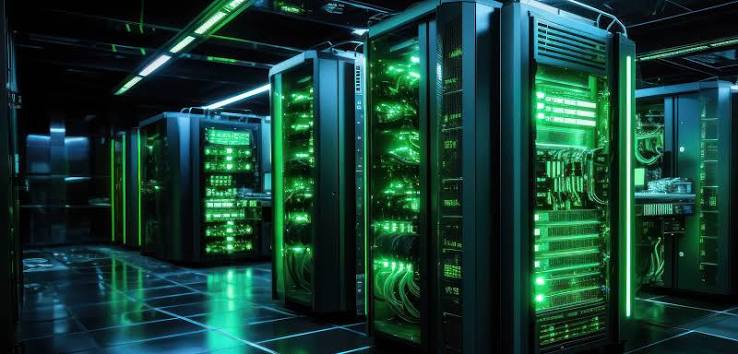
Fiber optic & network cabling
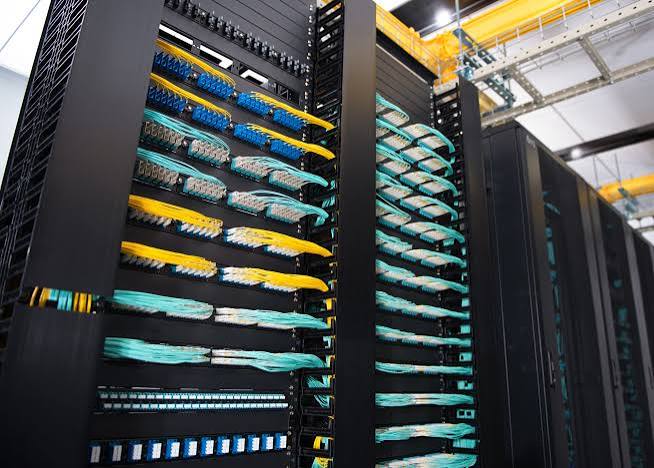
Network cabling security
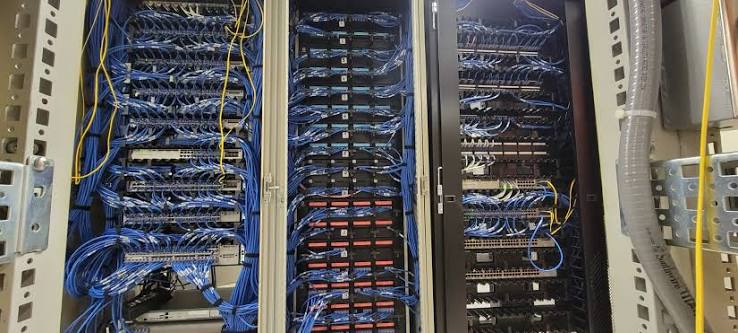
Professional network & data cabling
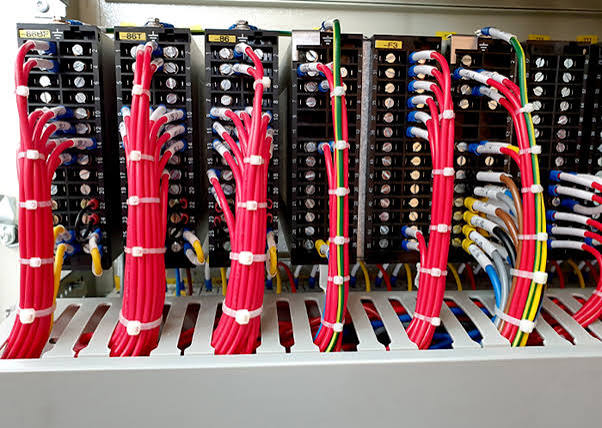
Structured cabling vs traditional wiring
Surveillance & security camera installation
Commercial audio-visual systems also depend on low-voltage connections for displays, speakers, microphones, control panels, and conferencing equipment.
MAINEVILLE, OH, UNITED STATES, November 4, 2026 /EINPresswire.com/ -- [Maineville, Ohio] [4-Nov-26]– Smartech LLC is extending its low-voltage installation services to businesses in Indianapolis, Indiana, addressing the infrastructure needs of commercial facilities that rely on connected communication, security, and audio-visual systems. The service expansion reflects the growing role of low-voltage technology in modern workplaces, where network connectivity, surveillance, access control, and communication equipment depend on properly planned cabling and installation.Low-voltage systems form an important part of commercial building infrastructure. They support technologies that transmit data, audio, video, and control signals through dedicated cabling and connected equipment. As businesses adopt more digital tools and connected devices, the need for organized low-voltage infrastructure has become a consideration in new construction, facility renovations, and technology upgrades.
Growing Demand for Low-Voltage Infrastructure in Indianapolis
Indianapolis has a diverse commercial base that includes offices, warehouses, manufacturing facilities, healthcare organizations, educational institutions, retail properties, and distribution centers. These environments use different combinations of network, security, and communication technologies to support daily operations.
Low-voltage infrastructure connects many of these systems. Network cabling supports computers, phones, wireless access points, and other connected devices. Security camera systems rely on suitable cabling and network connections to transmit video to recording and monitoring equipment. Access control systems use low-voltage wiring to connect card readers, door controllers, electronic locks, and related devices.
Commercial audio-visual systems also depend on low-voltage connections for displays, speakers, microphones, control panels, and conferencing equipment. As facilities add or update these technologies, installation planning becomes important for maintaining an organized and functional building infrastructure.
Understanding Low-Voltage Installation
Low-voltage installation generally refers to the deployment of electrical systems that operate at lower voltages than standard building power circuits. These systems commonly include structured cabling, telecommunications infrastructure, surveillance equipment, access control, intercoms, and audio-visual technology.
Although these systems operate at lower voltages, their installation still requires technical planning and attention to applicable building codes, fire safety requirements, manufacturer instructions, and industry standards. Cable pathways, equipment locations, separation from electrical wiring, and environmental conditions can all affect the design.
The scope of a project depends on the building and the technologies being installed. A small office may require network drops, wireless access point connections, and conference room equipment. A larger facility may need multiple telecommunications rooms, extensive camera coverage, access-controlled doors, and connections between separate building areas.
Network and Structured Cabling
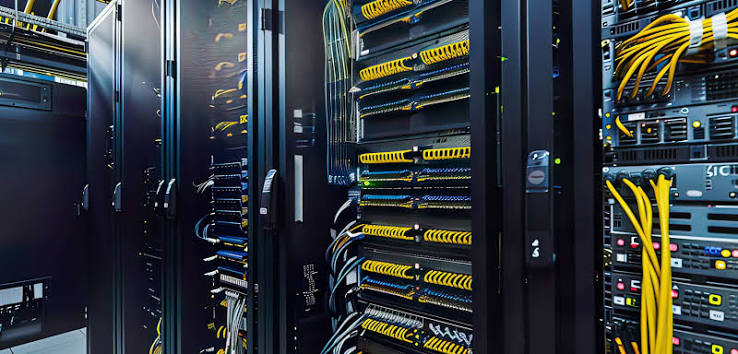
Network cabling is a central part of low-voltage infrastructure. It provides physical connections between network switches, computers, phones, wireless access points, servers, printers, and other devices.
Structured cabling organizes these connections through planned pathways, telecommunications rooms, patch panels, outlets, and labelled cable runs. This approach can make a network easier to maintain and modify as business requirements change.
The selection of cable depends on factors such as transmission speed, distance, installation environment, and equipment compatibility. Copper cabling is commonly used for connections to individual devices, while fiber optic cabling can support high-bandwidth links over longer distances or between network rooms and buildings.
Proper cable routing and termination are important to network performance. Installation work may also include testing, labelling, and documentation to help identify individual connections and support future troubleshooting.
Security Camera and Surveillance Systems
Commercial surveillance systems are another major part of low-voltage infrastructure. Businesses use cameras to monitor entrances, reception areas, parking lots, storage spaces, production floors, and other locations that require observation.
Modern IP camera systems transmit video through network connections. Their installation may involve camera mounting, network cabling, power arrangements, recording equipment, and access to monitoring platforms. Camera selection and placement depend on the required field of view, lighting conditions, image resolution, recording needs, and environmental exposure.
A planned installation can help reduce blind spots and ensure that cameras cover the areas identified in a facility's security requirements. Network capacity and storage planning are also important, particularly when multiple high-resolution cameras operate continuously.
Businesses must consider privacy rules, access permissions, and appropriate video retention practices when deploying surveillance systems. These requirements can vary based on the type of facility and the information being recorded.
Access Control and Building Entry Systems
Access control technology allows organizations to manage who can enter specific areas of a property. Common components include card readers, keypads, electronic locks, door controllers, request-to-exit devices, and management software.
Low-voltage wiring connects these components and enables communication between access points and control equipment. Depending on the system design, access permissions may be managed centrally, allowing authorized personnel to assign credentials, review entry records, and update access settings.
Commercial facilities may use access control at main entrances, server rooms, storage areas, employee-only spaces, and other restricted locations. Integrating access control with surveillance technology can also help organizations coordinate entry management and video monitoring.
Installation planning must account for door types, hardware compatibility, power requirements, emergency egress, and applicable safety regulations. These factors are especially important in buildings with multiple access points or specialized security requirements.
Commercial Audio-Visual and Communication Systems
Low-voltage installation also supports communication and collaboration equipment used in offices and other commercial settings. Conference rooms may contain displays, speakers, microphones, cameras, control panels, and video conferencing systems. Public spaces may use distributed speakers, digital signage, and announcement equipment.
The placement and connection of these devices can influence sound quality, display performance, and ease of operation. Room dimensions, acoustic conditions, lighting, network availability, and user requirements should be considered during system planning.
A coordinated installation can help reduce cable clutter and make equipment easier to operate. It can also allow different components to work together through compatible control systems and network connections.
Planning for New Construction and Technology Upgrades
Low-voltage requirements are best considered early in commercial construction and renovation projects. Planning during the design stage can help determine cable routes, equipment locations, telecommunications room requirements, pathways, and access points before walls and ceilings are closed.
For existing facilities, an installation or upgrade may begin with an assessment of current infrastructure. This can identify outdated cabling, limited network capacity, missing connections, equipment placement concerns, and areas that may need additional coverage.
Businesses should also consider future technology needs when planning an installation.
Additional workstations, cameras, wireless access points, conference rooms, and connected building systems may increase demand for cabling and network capacity. Providing suitable pathways and room for expansion can make later upgrades more manageable.
Installation Quality, Testing, and Documentation
Low-voltage systems require more than placing cables and connecting devices. Installation quality can affect system reliability, maintenance requirements, and the ability to expand infrastructure over time.
Cable testing helps verify that connections meet the requirements of the selected cabling system. Equipment checks can confirm that cameras, access control components, and audio-visual devices are connected and operating as intended. Labelling and documentation provide useful records of cable routes, termination points, equipment locations, and system connections.
These records can assist facility managers and technical teams when troubleshooting faults, replacing equipment, or planning future changes. They also help reduce uncertainty when multiple systems share the same building infrastructure.
About Smartech LLC
Smartech LLC provides commercial technology infrastructure services, including low-voltage installation, structured network cabling, fiber optic solutions, security camera systems, access control, and commercial audio-visual installations. Its services address the connectivity and technology requirements of business facilities, including network infrastructure, surveillance, communication, and building access systems.
The extension of low-voltage installation services to Indianapolis reflects the continuing need for organized technology infrastructure across commercial properties. As businesses add connected systems and update their facilities, properly planned cabling and equipment installation remain important parts of building operations.
Contact Information:
Smartech LLC
Address: 6933 Allegany Trail, Maineville,
OH 45039, United States
Phone: +1 513-500-4780
Website: https://smartech-oki.com/
Vitali Gorbatsky
Smartech Oki
+1 (513) 500-4780
projects@smartech-oki.com
Visit us on social media:
LinkedIn
Instagram
Facebook
Legal Disclaimer:
EIN Presswire provides this news content "as is" without warranty of any kind. We do not accept any responsibility or liability for the accuracy, content, images, videos, licenses, completeness, legality, or reliability of the information contained in this article. If you have any complaints or copyright issues related to this article, kindly contact the author above.
