
The Future of Distribution: Insights from a China Leading Secondary Bushing Supplier and IEC Certified Partner
WENZHOU, ZHEJIANG, CHINA, March 19, 2026 /EINPresswire.com/ -- The global power landscape is undergoing a profound transformation. As nations strive to meet ambitious carbon-neutrality targets, the traditional power grid is being redesigned to accommodate a surge in renewable energy integration, the rapid expansion of electric vehicle (EV) charging infrastructure, and the increasing demand for industrial automation. This transition toward a digital, intelligent, and green grid requires not only high-level software management but also highly reliable hardware components. In this evolving ecosystem, the stability of the distribution network depends on the integrity of its smallest parts.
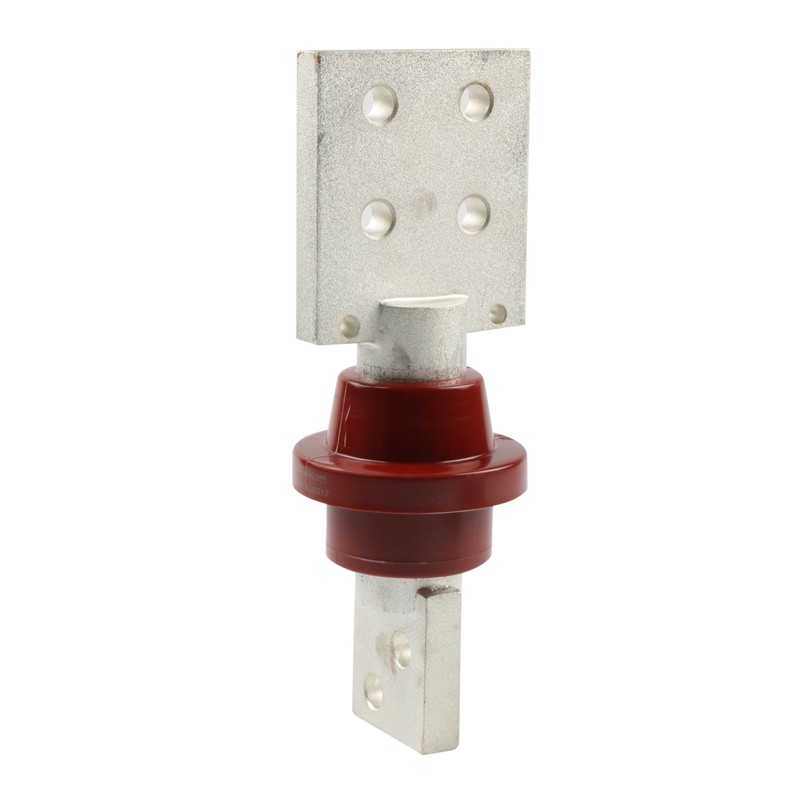
Among these critical components, the secondary bushing plays a pivotal role. Acting as the essential interface between the transformer's internal windings and the external distribution network, the secondary bushing serves as the "nerve ending" of the power system. Its primary function is to conduct high current at low voltage while providing robust insulation and mechanical support. Should a bushing fail due to insulation breakdown or environmental stress, the entire distribution node faces the risk of catastrophic failure, leading to costly downtime and safety hazards. Consequently, identifying a China Leading Secondary Bushing Supplier that prioritizes technical precision and international compliance has become a strategic necessity for global utility providers.
Technical Excellence: The Evolution of Insulation and Precision Engineering
The reliability of modern distribution systems is rooted in material science and manufacturing precision. Historically, porcelain was the standard material for transformer bushings. However, the industry has seen a decisive shift toward epoxy resin technologies. Unlike porcelain, which is brittle and prone to cracking under seismic stress or mechanical impact, epoxy resin offers superior dielectric strength, lighter weight, and exceptional resistance to environmental contaminants.
Wenzhou Shuowei Electric Co., Ltd. (SUVELL) has positioned itself at the forefront of this material transition. By focusing on advanced polymer applications, the industry has addressed long-standing issues such as surface tracking and moisture ingress. A key driver behind this high-quality output is the implementation of Automatic Pressure Gelation (APG) technology. This process involves injecting epoxy resin into a pre-heated mold under controlled pressure. The APG technique ensures a high-density, void-free casting, which is critical for preventing internal partial discharge—a leading cause of long-term insulation degradation.
In applications such as pad-mounted transformers, which are ubiquitous in urban and suburban residential areas, the design requirements for secondary bushings are particularly stringent. These environments demand a balance between compact physical dimensions and high current-carrying capacity. Innovation in this sector has led to the development of bushings that can handle increased thermal loads without compromising the spatial constraints of the transformer tank. By optimizing the geometry of the copper or aluminum conductors within the epoxy housing, manufacturers ensure efficient heat dissipation and long-term operational stability.
The Power of Certification: Understanding the IEC Standard
In the global procurement landscape, technical specifications are only half of the equation; the other half is verified compliance. For any enterprise operating within or sourcing from the Chinese market, the International Electrotechnical Commission (IEC) standards are the definitive benchmark for quality and safety. Compliance with IEC standards is not merely a technical preference; it is a rigorous validation of a manufacturer's consistency and adherence to global safety and interoperability standards.
The value of IEC certification for international partners can be summarized through two primary lenses:
Safety and Performance Assurance: The IEC auditing process involves comprehensive testing of electrical insulation, flame retardancy, and mechanical endurance aligned with international benchmarks. For a secondary bushing, this means the product has been proven to withstand extreme electrical surges and environmental fluctuations anywhere in the world. It provides an objective guarantee that the component will perform as specified throughout its intended lifecycle.
Global Interoperability and Traceability: Choosing an IEC-compliant partner like SUVELL provides overseas buyers with a layer of institutional security. The standards require rigorous type testing and adherence to documented quality protocols. This ensures that the quality of the thousandth unit produced is identical to the first, reflecting a mature and transparent quality management system that meets the expectations of utilities worldwide.
By maintaining these international certifications, manufacturers demonstrate a commitment to "zero-defect" production, which is essential for maintaining the high uptime required by modern smart grids.
Global Insights: The Strategic Advantages of Integrated Manufacturing
The dominance of Chinese suppliers in the power accessories market is not solely due to cost-efficiency but rather the synergy between standardization and customization. Leading suppliers have mastered the ability to adapt products to various international norms, including ANSI (American) and IEC (European/International) standards. This flexibility allows global utilities to source high-quality components that fit seamlessly into diverse infrastructure projects.
Real-world applications of these components are visible in modern urban rail transit systems and renewable energy farms. In these scenarios, secondary bushings and associated switchgear accessories must facilitate frequent switching operations and handle fluctuating power inputs from wind and solar sources. The reliability of these parts directly impacts the sectionalization of the grid, allowing operators to isolate faults and maintain service to the rest of the network.
Looking Forward: The Rise of Digitalized Distribution
As we look toward the future, the role of the bushing is evolving from a passive insulator to an active data point. The industry is currently exploring the integration of sensors within the bushing body to monitor real-time parameters such as temperature, current load, and partial discharge (PD) activity.
Predictive maintenance is the next frontier. By utilizing "smart bushings," grid operators can identify potential failures before they occur, shifting from reactive repairs to proactive management. SUVELL and other forward-thinking manufacturers are increasingly moving from being component suppliers to becoming integrated solution providers, helping utilities navigate the complexities of digital twin modeling and real-time grid monitoring.
Conclusion
In an era of rapid energy transition, the stability of the distribution network remains the bedrock of economic and social activity. The demand for high-performance secondary bushings continues to grow, driven by the need for safer, more efficient, and more resilient power delivery. Manufacturers like SUVELL, who combine deep technical expertise in epoxy resin casting with the authoritative backing of IEC certification, are essential partners in this journey. By bridging the gap between traditional electrical engineering and future-ready digital requirements, these suppliers are ensuring that the "nerve endings" of our global power grid remain stronger than ever.
For more information on technical specifications and power distribution solutions, please visit: https://www.suvell.com/
Among these critical components, the secondary bushing plays a pivotal role. Acting as the essential interface between the transformer's internal windings and the external distribution network, the secondary bushing serves as the "nerve ending" of the power system. Its primary function is to conduct high current at low voltage while providing robust insulation and mechanical support. Should a bushing fail due to insulation breakdown or environmental stress, the entire distribution node faces the risk of catastrophic failure, leading to costly downtime and safety hazards. Consequently, identifying a China Leading Secondary Bushing Supplier that prioritizes technical precision and international compliance has become a strategic necessity for global utility providers.
Technical Excellence: The Evolution of Insulation and Precision Engineering
The reliability of modern distribution systems is rooted in material science and manufacturing precision. Historically, porcelain was the standard material for transformer bushings. However, the industry has seen a decisive shift toward epoxy resin technologies. Unlike porcelain, which is brittle and prone to cracking under seismic stress or mechanical impact, epoxy resin offers superior dielectric strength, lighter weight, and exceptional resistance to environmental contaminants.
Wenzhou Shuowei Electric Co., Ltd. (SUVELL) has positioned itself at the forefront of this material transition. By focusing on advanced polymer applications, the industry has addressed long-standing issues such as surface tracking and moisture ingress. A key driver behind this high-quality output is the implementation of Automatic Pressure Gelation (APG) technology. This process involves injecting epoxy resin into a pre-heated mold under controlled pressure. The APG technique ensures a high-density, void-free casting, which is critical for preventing internal partial discharge—a leading cause of long-term insulation degradation.
In applications such as pad-mounted transformers, which are ubiquitous in urban and suburban residential areas, the design requirements for secondary bushings are particularly stringent. These environments demand a balance between compact physical dimensions and high current-carrying capacity. Innovation in this sector has led to the development of bushings that can handle increased thermal loads without compromising the spatial constraints of the transformer tank. By optimizing the geometry of the copper or aluminum conductors within the epoxy housing, manufacturers ensure efficient heat dissipation and long-term operational stability.
The Power of Certification: Understanding the IEC Standard
In the global procurement landscape, technical specifications are only half of the equation; the other half is verified compliance. For any enterprise operating within or sourcing from the Chinese market, the International Electrotechnical Commission (IEC) standards are the definitive benchmark for quality and safety. Compliance with IEC standards is not merely a technical preference; it is a rigorous validation of a manufacturer's consistency and adherence to global safety and interoperability standards.
The value of IEC certification for international partners can be summarized through two primary lenses:
Safety and Performance Assurance: The IEC auditing process involves comprehensive testing of electrical insulation, flame retardancy, and mechanical endurance aligned with international benchmarks. For a secondary bushing, this means the product has been proven to withstand extreme electrical surges and environmental fluctuations anywhere in the world. It provides an objective guarantee that the component will perform as specified throughout its intended lifecycle.
Global Interoperability and Traceability: Choosing an IEC-compliant partner like SUVELL provides overseas buyers with a layer of institutional security. The standards require rigorous type testing and adherence to documented quality protocols. This ensures that the quality of the thousandth unit produced is identical to the first, reflecting a mature and transparent quality management system that meets the expectations of utilities worldwide.
By maintaining these international certifications, manufacturers demonstrate a commitment to "zero-defect" production, which is essential for maintaining the high uptime required by modern smart grids.
Global Insights: The Strategic Advantages of Integrated Manufacturing
The dominance of Chinese suppliers in the power accessories market is not solely due to cost-efficiency but rather the synergy between standardization and customization. Leading suppliers have mastered the ability to adapt products to various international norms, including ANSI (American) and IEC (European/International) standards. This flexibility allows global utilities to source high-quality components that fit seamlessly into diverse infrastructure projects.
Real-world applications of these components are visible in modern urban rail transit systems and renewable energy farms. In these scenarios, secondary bushings and associated switchgear accessories must facilitate frequent switching operations and handle fluctuating power inputs from wind and solar sources. The reliability of these parts directly impacts the sectionalization of the grid, allowing operators to isolate faults and maintain service to the rest of the network.
Looking Forward: The Rise of Digitalized Distribution
As we look toward the future, the role of the bushing is evolving from a passive insulator to an active data point. The industry is currently exploring the integration of sensors within the bushing body to monitor real-time parameters such as temperature, current load, and partial discharge (PD) activity.
Predictive maintenance is the next frontier. By utilizing "smart bushings," grid operators can identify potential failures before they occur, shifting from reactive repairs to proactive management. SUVELL and other forward-thinking manufacturers are increasingly moving from being component suppliers to becoming integrated solution providers, helping utilities navigate the complexities of digital twin modeling and real-time grid monitoring.
Conclusion
In an era of rapid energy transition, the stability of the distribution network remains the bedrock of economic and social activity. The demand for high-performance secondary bushings continues to grow, driven by the need for safer, more efficient, and more resilient power delivery. Manufacturers like SUVELL, who combine deep technical expertise in epoxy resin casting with the authoritative backing of IEC certification, are essential partners in this journey. By bridging the gap between traditional electrical engineering and future-ready digital requirements, these suppliers are ensuring that the "nerve endings" of our global power grid remain stronger than ever.
For more information on technical specifications and power distribution solutions, please visit: https://www.suvell.com/
Wenzhou Shuowei Electric Co., Ltd.
+86 18968711705
admin@suvell.com
Visit us on social media:
LinkedIn
Facebook
YouTube
Legal Disclaimer:
EIN Presswire provides this news content "as is" without warranty of any kind. We do not accept any responsibility or liability for the accuracy, content, images, videos, licenses, completeness, legality, or reliability of the information contained in this article. If you have any complaints or copyright issues related to this article, kindly contact the author above.
